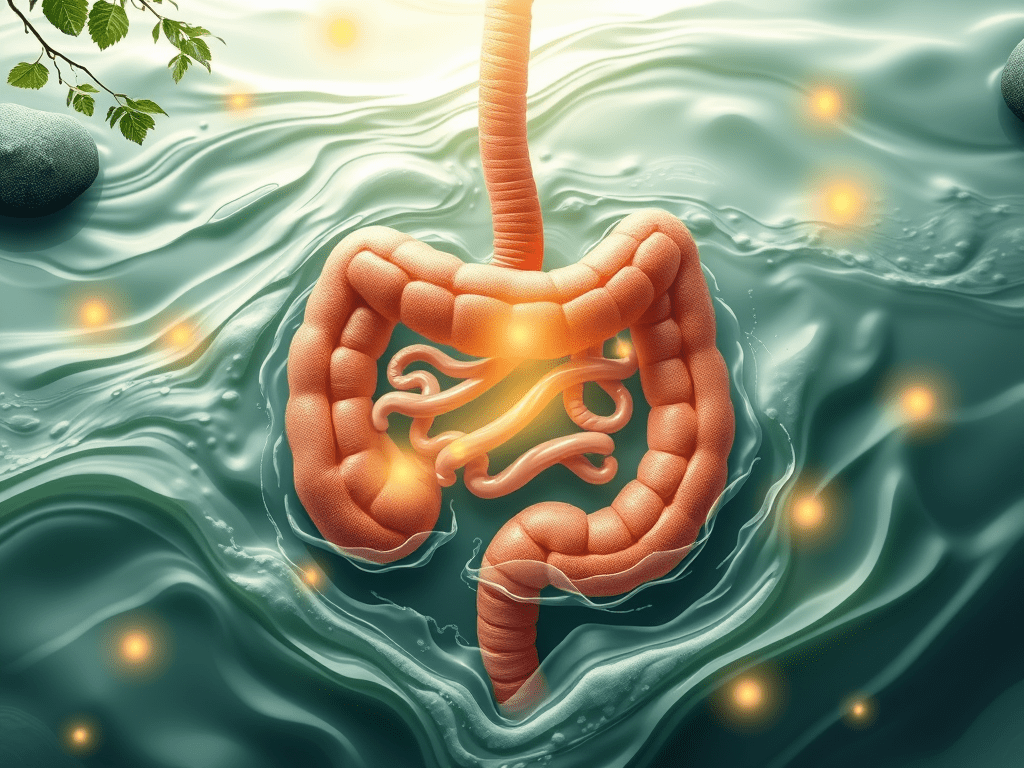
In Traditional Chinese Medicine (TCM), the Large Intestine plays a crucial role in maintaining the body’s overall health and balance. It’s not just a physical organ responsible for waste elimination, but also a dynamic system closely linked to specific emotions, physiological functions, flavors, and seasons.
*Functions of the Large Intestine*
The Large Intestine has several important functions in TCM, including:
– *Elimination of waste*: The Large Intestine is responsible for removing waste materials from the body, including toxins and excess substances. This process is essential for maintaining the body’s overall health and preventing the buildup of toxins.
– *Regulation of water balance*: The Large Intestine helps to regulate the body’s water balance, ensuring that the body maintains proper hydration levels. This function is closely linked to the body’s overall fluid metabolism and can affect the skin, mucous membranes, and other tissues.
– *Emotional release*: The Large Intestine is also associated with emotional release, helping to process and eliminate negative emotions. This function is closely linked to the body’s mental and emotional state, and imbalances can lead to emotional problems such as anxiety, depression, and irritability.
– *Qi regulation*: The Large Intestine also plays a role in regulating the flow of Qi throughout the body, ensuring that all organs and tissues receive the energy they need to function properly.
*Relationship with Other Organs*
The Large Intestine is closely linked to other organs in the body, particularly the Lung. This relationship is reflected in the observation of the skin and immune system. When the Large Intestine is out of balance, it can affect the Lung’s function, leading to respiratory problems and skin issues.
*Patterns of Disharmony*
In TCM, disruptions in the flow of Qi along the Large Intestine meridian can manifest as physical, emotional, or psychological symptoms. Some common patterns of disharmony include:
– *Excesses or deficiencies in Qi*: This can lead to physical conditions such as irritable bowel syndrome (IBS), inflammatory bowel disease (IBD), or skin disorders like acne or eczema. Excess Qi can cause symptoms such as abdominal pain, bloating, and constipation, while deficient Qi can lead to symptoms such as fatigue, weakness, and diarrhea.
– *Emotional imbalances*: Difficulty letting go of past emotions, grief, or a tendency to hold onto negative experiences can be signs of Large Intestine imbalance. This can lead to emotional problems such as anxiety, depression, and irritability, as well as physical symptoms such as abdominal pain and digestive problems.
– *Constipation or diarrhea*: These symptoms can indicate an imbalance in the Large Intestine’s function, including its ability to regulate bowel movements and eliminate waste. Constipation can be a sign of Qi stagnation or deficiency, while diarrhea can be a sign of excess heat or dampness in the Large Intestine.
– *Dampness and phlegm*: The Large Intestine is also associated with the production of dampness and phlegm, which can manifest as physical symptoms such as mucus, congestion, and skin problems.
*TCM Approach to Large Intestine Health*
TCM offers a range of natural and holistic approaches to promoting Large Intestine health, including:
– *Acupuncture*: Acupuncture can help to balance Qi and promote Large Intestine function, alleviating symptoms associated with digestive disorders.
– *Herbal medicine*: Certain herbs, such as rhubarb, coptis, and bai shao (white peony root), can help regulate the Large Intestine’s function and alleviate discomfort.
– *Dietary therapy*: A balanced diet that promotes Large Intestine health can help reduce inflammation and promote healing. Foods that are warm, easy to digest, and moistening can be beneficial.
– *Stress management techniques*: Practices like qigong, tai chi, and meditation can help reduce tension in the body and support overall digestive function.
*Tips for Promoting Large Intestine Health*
Some additional tips for promoting Large Intestine health include:
– *Drinking warm water*: Drinking room temperature water or warm liquids can help boost digestive fire and promote Large Intestine function.
– *Eating warm and easy-to-digest foods*: Foods that are warm and easy to digest can help promote Large Intestine health and reduce inflammation.
– *Managing stress*: Stress management techniques like qigong, tai chi, and meditation can help reduce tension in the body and support overall digestive function.
*Conclusion*
The Large Intestine plays a vital role in maintaining the body’s overall health and balance. By understanding its functions and relationships with other organs, we can take steps to promote Large Intestine health and alleviate symptoms associated with digestive disorders. Whether you’re looking to improve your overall health or address specific health issues, TCM can be a valuable tool in your journey to wellness.
Related Topics:
 TCM QiDao