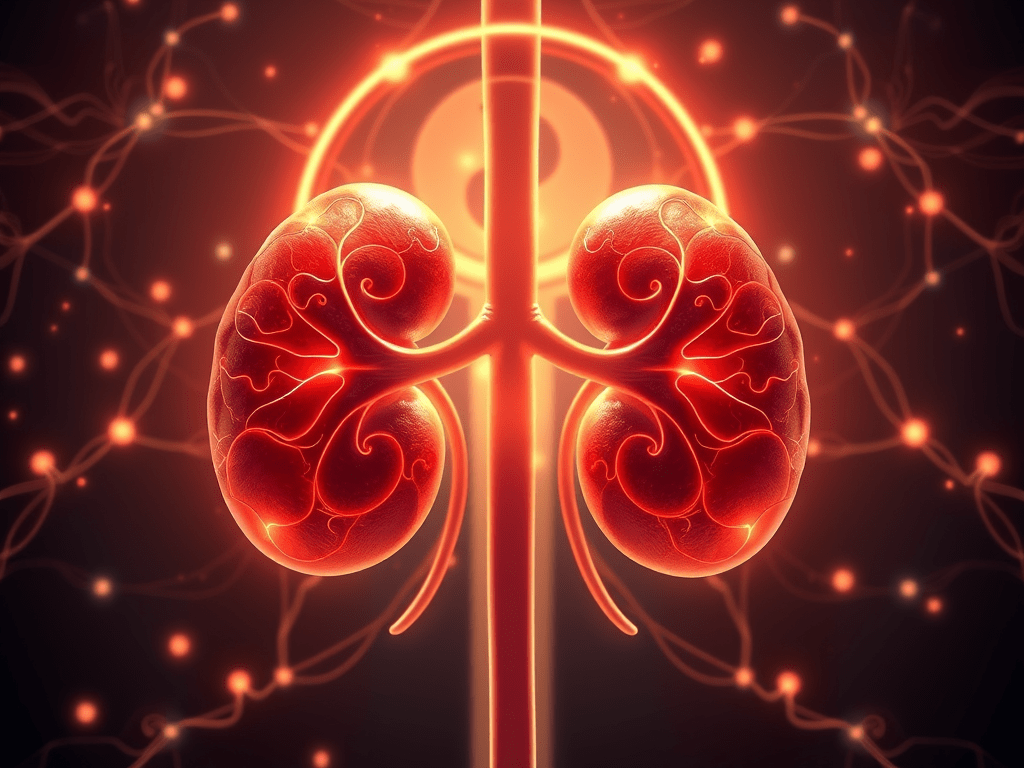
When we hear the word “kidneys,” many of us think of organs that filter our blood and produce urine. In modern Western medicine, that’s accurate — the kidneys help remove waste and regulate fluid and electrolyte balance. But in Traditional Chinese Medicine (TCM), the kidneys are seen as something much deeper and more essential. They’re not just a pair of physical organs; they’re one of the body’s most vital energy centers — a true powerhouse for life itself.
In TCM, the kidneys are considered the “Root of Life.” They store what is called Jing (often translated as “Essence”) and play a central role in producing Qi (pronounced “chee”), the vital life force that flows through every person. Understanding the importance of the kidneys in TCM gives us insight into how this ancient system views health, aging, vitality, and longevity.
Let’s explore why the kidneys are so important in TCM and how they fuel the body’s Qi.
What is Qi?
Before diving into the kidneys, it helps to understand what Qi is. In simple terms, Qi is energy — the invisible force that animates our bodies and keeps all systems running smoothly. It flows through energy pathways called meridians, nourishing organs and tissues, and maintaining physical, emotional, and spiritual balance.
Qi isn’t something we can see under a microscope, but in TCM, it’s as real and essential as blood or oxygen. A strong, balanced flow of Qi means good health, while weak, blocked, or imbalanced Qi can lead to illness.
The Kidneys: Guardians of Life
In TCM, the kidneys are more than a filtration system. They are believed to house two essential substances:
1. Jing (Essence): This is the most fundamental material basis for life. We inherit some Jing from our parents at conception (this is called “Pre-natal Jing”), and we acquire more through food, rest, breathing, and a healthy lifestyle (“Post-natal Jing”). Jing governs growth, development, fertility, and aging. As we age, our Jing naturally declines, which is why TCM often associates signs of aging — gray hair, weak bones, memory loss — with declining kidney function.
2. Kidney Qi: This is the active energy that arises from Jing. Kidney Qi helps regulate many bodily functions, including reproduction, bone health, brain function, hearing, and even the strength of our willpower.
Kidney Qi and Life Force
The kidneys are seen as the foundation of Yin and Yang in the body. Yin and Yang are opposite but complementary forces. Kidney Yin represents cooling, moistening, and nourishing functions, while Kidney Yang is warm, active, and driving. A balance between the two ensures harmony in the body.
Here’s why Kidney Qi is so critical in this system:
Supports Growth and Development: Kidney Essence guides the body’s development from childhood through old age. In children, healthy kidneys mean strong bones, teeth, hair, and intelligence. In adults, they affect reproductive health, sexual vitality, and energy levels.
Controls the Bones and Brain: The kidneys “govern the bones” in TCM. Weak kidney Qi may lead to brittle bones or dental problems. The kidneys are also believed to produce “marrow,” which fills the spinal cord and brain — affecting memory, concentration, and mental sharpness.
Manages Reproduction and Fertility: In both men and women, kidney health is closely tied to fertility, libido, and hormonal balance. TCM practitioners often treat the kidneys when addressing infertility or sexual dysfunction.
Influences Hearing and Hair: Hearing issues, especially those related to aging like tinnitus or hearing loss, are often seen as signs of declining kidney Qi. Similarly, premature graying or hair loss is sometimes attributed to kidney weakness.
Signs of Kidney Qi Deficiency
So, what happens when the kidneys aren’t functioning optimally in the TCM sense?
When Kidney Qi is low or the Yin and Yang are out of balance, a variety of symptoms can arise. These include:
- Chronic fatigue or low energy
- Lower back pain or weak knees
- Frequent urination or incontinence
- Poor memory or lack of focus
- Hearing loss or ringing in the ears (tinnitus)
- Premature aging (gray hair, weak bones)
- Infertility or menstrual irregularities
- Cold hands and feet (especially if Kidney Yang is deficient)
It’s important to note that in TCM, these symptoms don’t necessarily reflect clinical kidney disease as defined by Western medicine. Instead, they reflect a pattern of energy imbalance that can often be improved with proper lifestyle, diet, and TCM therapies.
Nourishing Your Kidneys and Qi
The good news is that kidney energy can be protected, strengthened, and even replenished to some extent. Here are some practical tips rooted in TCM theory:
1. Get Enough Rest: Sleep is critical for replenishing Kidney Essence. Staying up too late or pushing through exhaustion can quickly drain your Qi reserves.
2. Eat Kidney-Nourishing Foods: Black sesame seeds, walnuts, kidney beans, bone broth, dark leafy greens, and seaweed are all considered excellent for supporting kidney health. Warm, cooked foods are preferred, especially in colder months.
3. Stay Warm: The kidneys are especially sensitive to cold. Keep your lower back warm and avoid sitting on cold surfaces for long periods.
4. Practice Gentle Movement: Tai Chi and Qi Gong are excellent ways to circulate energy and strengthen the kidneys without overtaxing the body.
5. Moderate Sexual Activity: In TCM, excessive sexual activity — especially ejaculation in men — is believed to deplete Kidney Jing. Moderation helps preserve vitality.
6. Manage Stress: Chronic stress can burn out your Kidney Yang. Practices like meditation, acupuncture, and herbal remedies can help soothe the system.
Final Thoughts
In Traditional Chinese Medicine, the kidneys are more than just organs — they’re the deep, energetic foundation of who we are. They shape our vitality, resilience, and longevity. Whether you’re trying to boost your energy, improve fertility, or simply age with grace, supporting your kidney health from a TCM perspective is a powerful and time-tested approach.
Of course, this ancient view doesn’t replace modern medical knowledge, but it does offer a valuable lens through which to care for ourselves more holistically. By nurturing the kidneys, we nurture our very essence — our Qi, our spirit, and our spark for life.
 TCM QiDao